Travelling with brachycephalic breeds: pugs, bulldogs and Persian cats in 2026
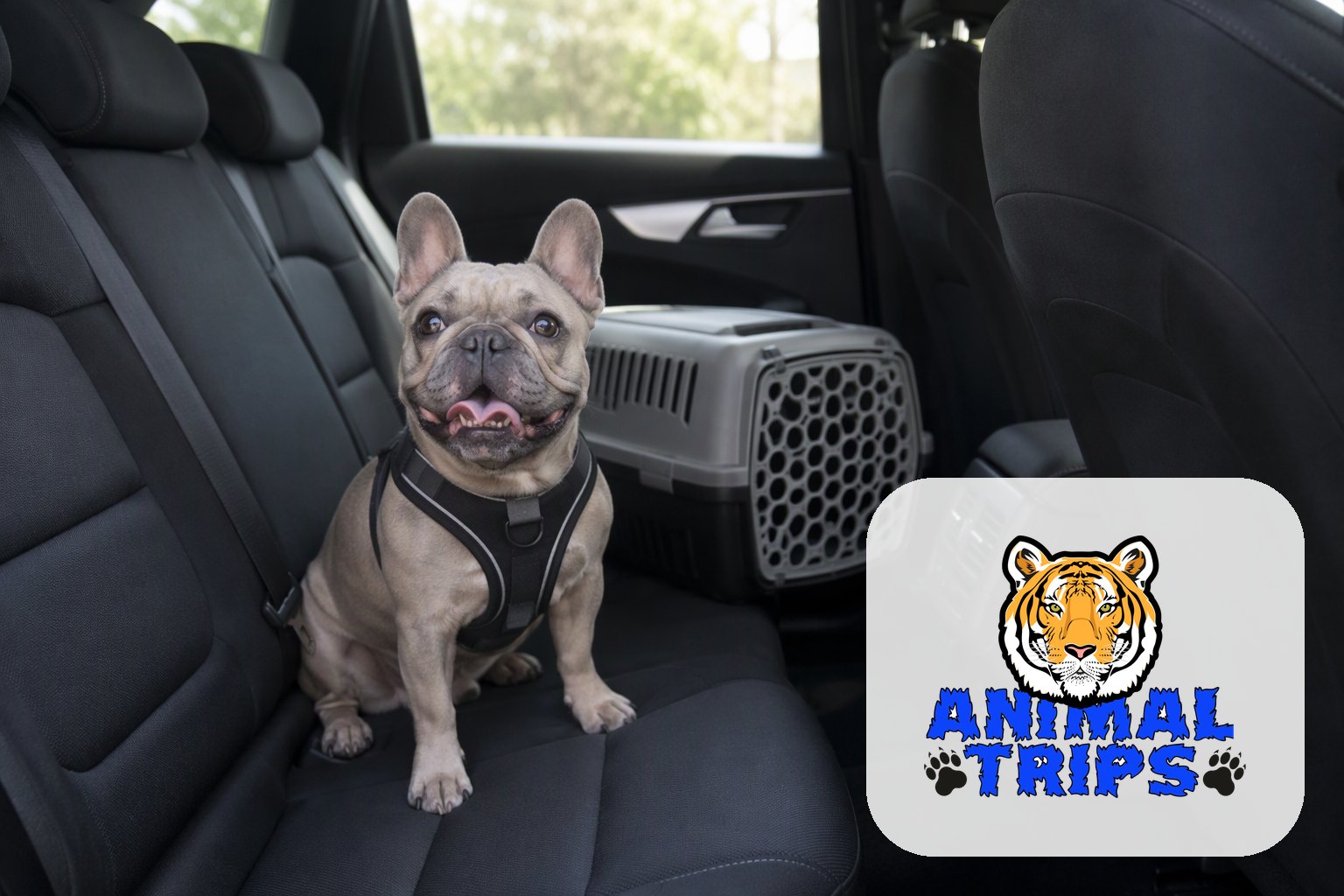
French bulldogs, pugs, English bulldogs, boxers, Pekingese — and among cats, Persians and exotics: brachycephalic (flat-faced) breeds are the most vulnerable travellers of all. Their shortened airways make heat and stress genuinely dangerous. This is why most airlines refuse them in cargo — and why road transport is often the only safe option for long distances.
Why flat-faced breeds are a special case
Brachycephalic airway syndrome narrows the nostrils, elongates the soft palate and reduces the trachea. In practice this means:
- the pet cools itself mainly by panting — and flat-faced breeds pant inefficiently;
- stress raises the breathing rate — which in these breeds can spiral into airway obstruction;
- temperatures above +25°C become risky much faster than for other dogs;
- sedation, sometimes used for air travel, is especially dangerous for them.
That is why Lufthansa, KLM, Air France and most other carriers do not accept brachycephalic breeds in the cargo hold at all, and cabin spots are limited to tiny carriers that an adult French bulldog simply does not fit.
How we transport brachycephalic pets by road
- Strict climate discipline: the cabin is held at +20…+22°C, never higher; in summer the car is pre-cooled before every boarding;
- Stops every 2–3 hours with real time out of the crate — panting normalizes when the pet can move and drink;
- Cool water at every stop, plus wet cooling mats in the crate during hot months;
- Crates sized generously — flat-faced dogs need more air volume around them, so we take one size up from the standard recommendation;
- Calm routing: no unnecessary detours, no hot midday city traffic when an evening departure avoids it.
Preparing your flat-faced traveller
- Vet check 1–2 weeks before the trip: nostrils, palate, heart. Ask directly: «Is my dog fit for a 10-hour car journey?»
- No heavy meals in the last 4 hours before pickup — a full stomach plus panting is a bad mix;
- Harness instead of a collar if the pet walks at stops — collars press exactly where these breeds are weakest;
- Tell us about any history of breathing episodes — it changes how we plan stops.
Documents are standard for the EU: microchip, rabies vaccination, EU pet passport. Send your route via the contact form — we will schedule the coolest departure window. Breed restrictions are a separate topic — see banned breeds.
Frequently asked questions
Can French bulldogs fly in cargo?
Most airlines refuse brachycephalic breeds (French and English bulldogs, pugs, boxers, Persian cats) in the cargo hold entirely — their shortened airways make heat and stress dangerous. Cabin spots are limited to very small carriers.
What temperature is safe for transporting a pug?
We keep the cabin at +20…+22°C and pre-cool the car before every boarding in summer. Above +25°C the risk for flat-faced breeds rises quickly — that is why departures are scheduled for the coolest hours.
What documents does my bulldog need for EU travel?
The standard set: microchip, valid rabies vaccination, EU pet passport. Breed-specific import bans are a separate matter — pit bull types are banned in Germany and restricted elsewhere; French bulldogs and pugs are not on those lists.