Eurotunnel with a dog: the complete guide
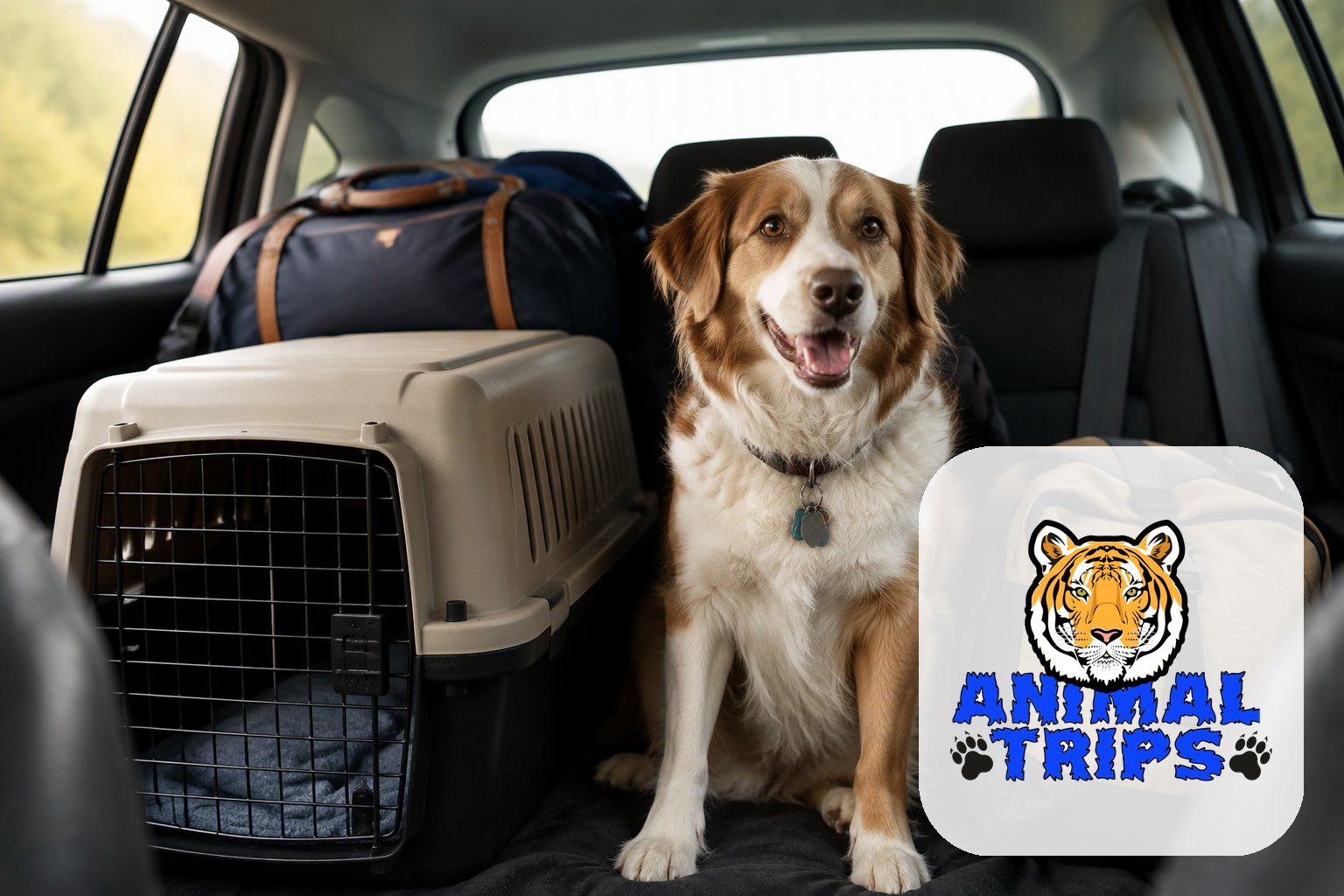
For travel between the EU and Great Britain with a pet, Eurotunnel (LeShuttle) is the gold standard: your dog or cat stays in the vehicle for the 35-minute crossing. No ferry deck, no kennel areas, no separation.
How it works
- At the Calais terminal, pets go through the Pet Reception: staff scan the microchip and check the AHC and tapeworm record;
- Check-in is recommended 60–90 minutes before departure when travelling with pets;
- The pet stays in the car for the whole crossing — you can open the windows and stay together.
Documents for EU → UK
Microchip, rabies vaccination, Animal Health Certificate (≤10 days), and for dogs a tapeworm treatment 24–120 hours before arrival. Details in our UK travel rules guide.
Our door-to-door UK routes go through Eurotunnel by default, with all pet check-in formalities handled by the driver.
Frequently asked questions
Does my dog stay in the car on the Eurotunnel?
Yes. Pets remain inside the vehicle for the whole 35-minute crossing from Folkestone to Calais. The car deck is enclosed and ventilated, and you stay with your pet the entire time.
Is the Eurotunnel better than a ferry for dogs?
For most dogs, yes: 35 minutes versus 90+ minutes on a ferry, no exposure to sea motion, and the dog never leaves the familiar car. Ferries to England are an alternative when the timing or price fits better.
What documents are checked at the Eurotunnel?
At the Folkestone pet reception: microchip (scanned on the spot), rabies vaccination record, and for dogs the tapeworm treatment recorded 24–120 hours before arrival in the UK. Arrive at least 1 hour before departure.