Transporting exotic pets: rabbits, ferrets, birds and reptiles in 2026
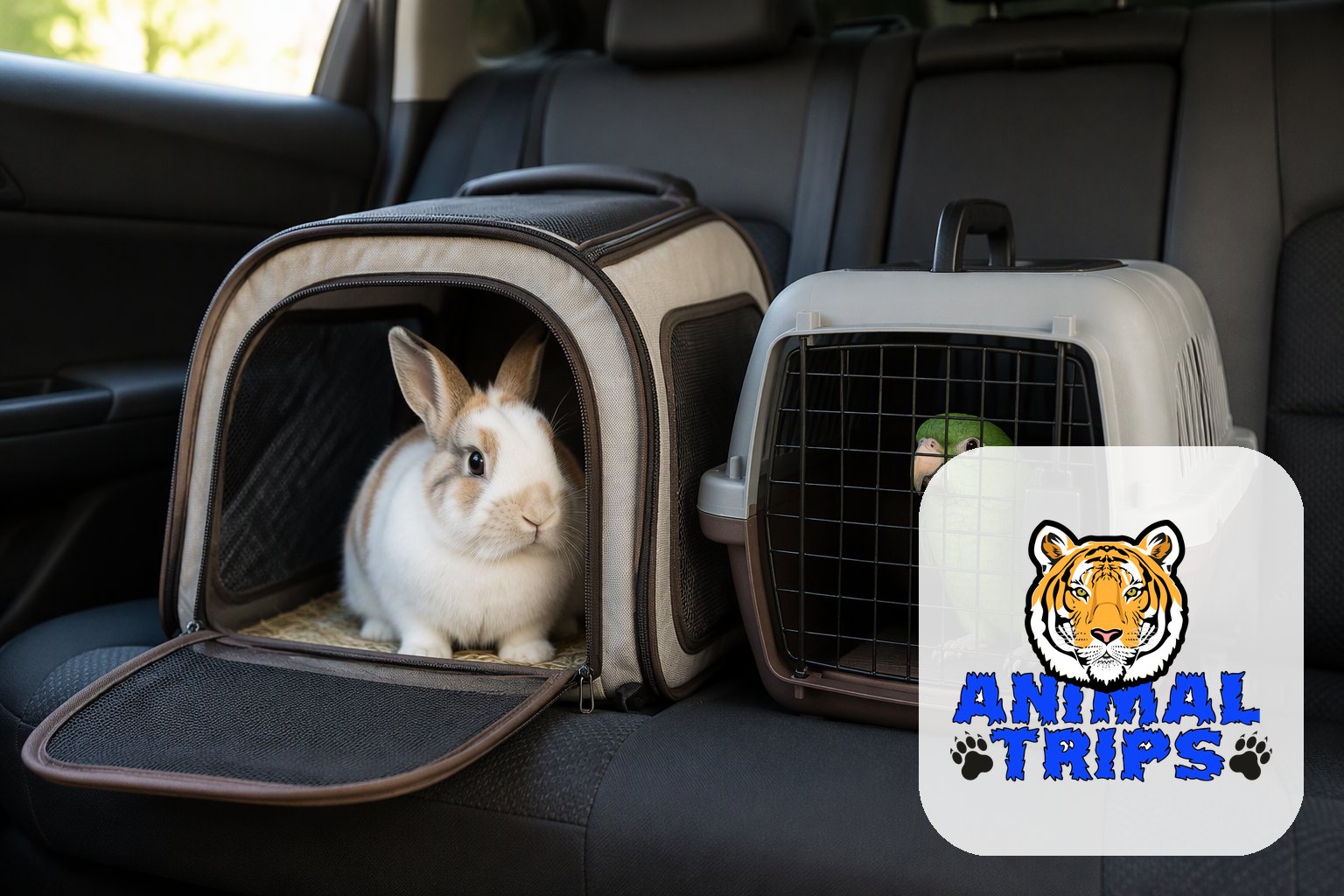
Not every passenger barks or meows. Rabbits moving with the family to Spain, a ferret relocating to Berlin, a parrot joining its owner in Warsaw, a tortoise travelling to a new terrarium in Prague — exotic pets need the same door-to-door reliability, with very different care details. Here is how it works in 2026.
EU rules: what applies to non-dog/cat species
The classic EU pet travel regulation covers dogs, cats and ferrets. Other species follow national rules:
- Ferrets: full EU pet travel rules apply — microchip, rabies vaccination, EU pet passport, exactly as for dogs and cats;
- Rabbits and rodents (guinea pigs, chinchillas, rats): no EU-wide passport requirement for non-commercial movement between member states, but some countries require a health certificate from a vet issued days before travel — we confirm the destination's rule when quoting;
- Birds: parrots and other birds may require CITES documentation if the species is protected, plus health certification; common pet species (budgies, cockatiels) usually need only a vet health letter;
- Reptiles and amphibians: national rules plus CITES for protected species; temperature-controlled transport is the critical part, not paperwork;
- Invertebrates and fish: case by case — short routes only, with specialised containers.
Care on the road: what changes by species
- Rabbits: hay available at all times, a solid-floor carrier with bedding, no wire floors; they overheat easily — cabin temperature discipline matters as much as for flat-faced dogs;
- Ferrets: a secure two-door carrier (they are escape artists), hammock optional, water bottle plus bowl at stops;
- Birds: a covered travel cage to reduce visual stress, no draft, seed and water in spill-proof cups; the cabin stays quiet — no loud music;
- Reptiles: insulated transport boxes with heat packs in winter and ventilation in summer — the target temperature band is set per species before the trip;
- Guinea pigs and small rodents: pairs travel together (they are social), cucumber or similar moisture food in addition to water.
What we need from you
- The species, age and health status — honestly, including any chronic conditions;
- The pet's own enclosure equipment when it matters (a reptile's thermostat, a bird's familiar perch);
- Food for the whole trip plus reserve, in labelled portions;
- For CITES-listed species: the paperwork — we check it at pickup together with you.
Exotic passengers ride in the same climate-controlled cabin with photo updates. Send the species and route via the contact form — we confirm feasibility and price within 60 minutes.
Frequently asked questions
Does my rabbit need a pet passport to travel in the EU?
EU pet travel regulation formally covers dogs, cats and ferrets. Rabbits moving non-commercially between EU states usually need no passport, but some countries require a recent veterinary health certificate — we confirm the exact rule for your destination when quoting.
Do ferrets need documents like dogs?
Yes — ferrets are fully covered by EU pet travel rules: microchip, rabies vaccination and an EU pet passport, with the same 21-day rule after a first vaccination.
Can you transport a parrot across Europe?
Common pet species (budgies, cockatiels and similar) travel in a covered cage with food and water in spill-proof cups — straightforward. CITES-protected parrot species need documentation, which we verify at pickup before the trip.
How do you keep a reptile warm during winter transport?
Insulated transport boxes with heat packs, plus the climate-controlled cabin. Before the trip we agree the target temperature band for your species and check the setup at every stop.