
Preparing your cat for a long-distance move: a 2-week plan
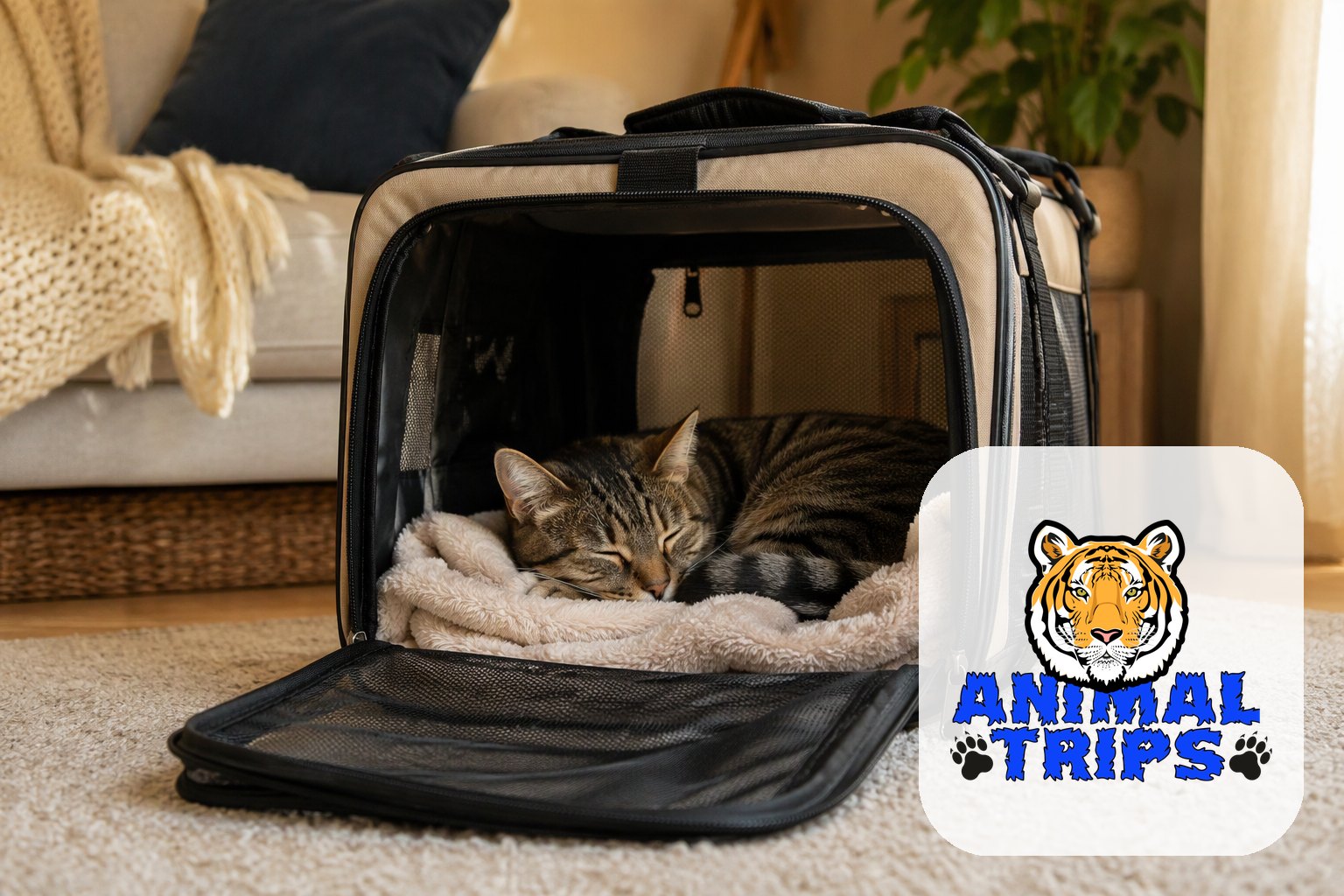
Cats do not like change, and a 1,500 km car journey is a lot of change. But a prepared cat travels dramatically better than an unprepared one — calmer, quieter, and arrives without the digestive and stress problems that unprepared cats often show. Two weeks of simple preparation at home make all the difference. Here is the plan we give every cat owner.
Week 1: make the crate a piece of furniture
- Place the travel crate in the living room with the door open and a soft blanket inside;
- Feed the cat next to it, then inside it — the crate must become a safe den, not a trap;
- Drop treats and toys inside randomly; the goal is the cat napping there voluntarily;
- Never use this crate for vet visits during these weeks — no negative associations.
Week 2: motion and duration
- Short practice sessions: 15–20 minutes in the carrier in the car, engine on, then a short drive around the block;
- Increase to 40–60 minutes by the end of the week; the cat should learn that the car ends with coming home;
- Add a worn t-shirt with your smell to the crate — it works better than any spray;
- Feliway-type pheromone spray on the bedding 15 minutes before each practice run (and before the real trip).
Moving day: the details that matter
- Last meal 3–4 hours before pickup — a full stomach plus motion equals nausea;
- Water available until departure; in the car we offer water at every stop — most cats drink little on day one, that is normal;
- A small amount of familiar litter in the travel litter box — smell recognition matters more than the box itself;
- No sedatives unless your vet prescribes them for this specific trip — modern advice is to avoid routine sedation for road travel;
- Tell us if your cat is a «howler» or a «freezer» — we place vocal cats away from timid ones.
What happens during the trip with us
Cats travel in secured crates with bedding, a litter box corner and a water bowl checked at every stop. Stops every 3–4 hours; shy cats are checked quietly without being taken out. You get photo and video updates — owners consistently tell us the first photo of their cat calmly sitting in the crate is the moment they finally relax.
More on feline travel: international cat transport in Europe. Book the route: contact form — quote within 60 minutes.
Frequently asked questions
How long does it take to crate-train a cat?
Two weeks is enough for most cats: week one — the crate lives open in the room with feeding inside; week two — short practice sessions in the car from 15 to 60 minutes. The goal is the cat napping in the crate voluntarily.
Should I sedate my cat for a long car journey?
Routine sedation is not recommended by modern veterinary guidance — it affects balance and thermoregulation. Crate training, a t-shirt with your smell and pheromone spray on the bedding work better for the vast majority of cats.
When should I feed my cat before the trip?
The last full meal 3–4 hours before pickup. Water stays available until departure and is offered at every stop — cats often drink little on the first day, which is normal.