
Transporting large and giant breed dogs: space, safety and prices in 2026
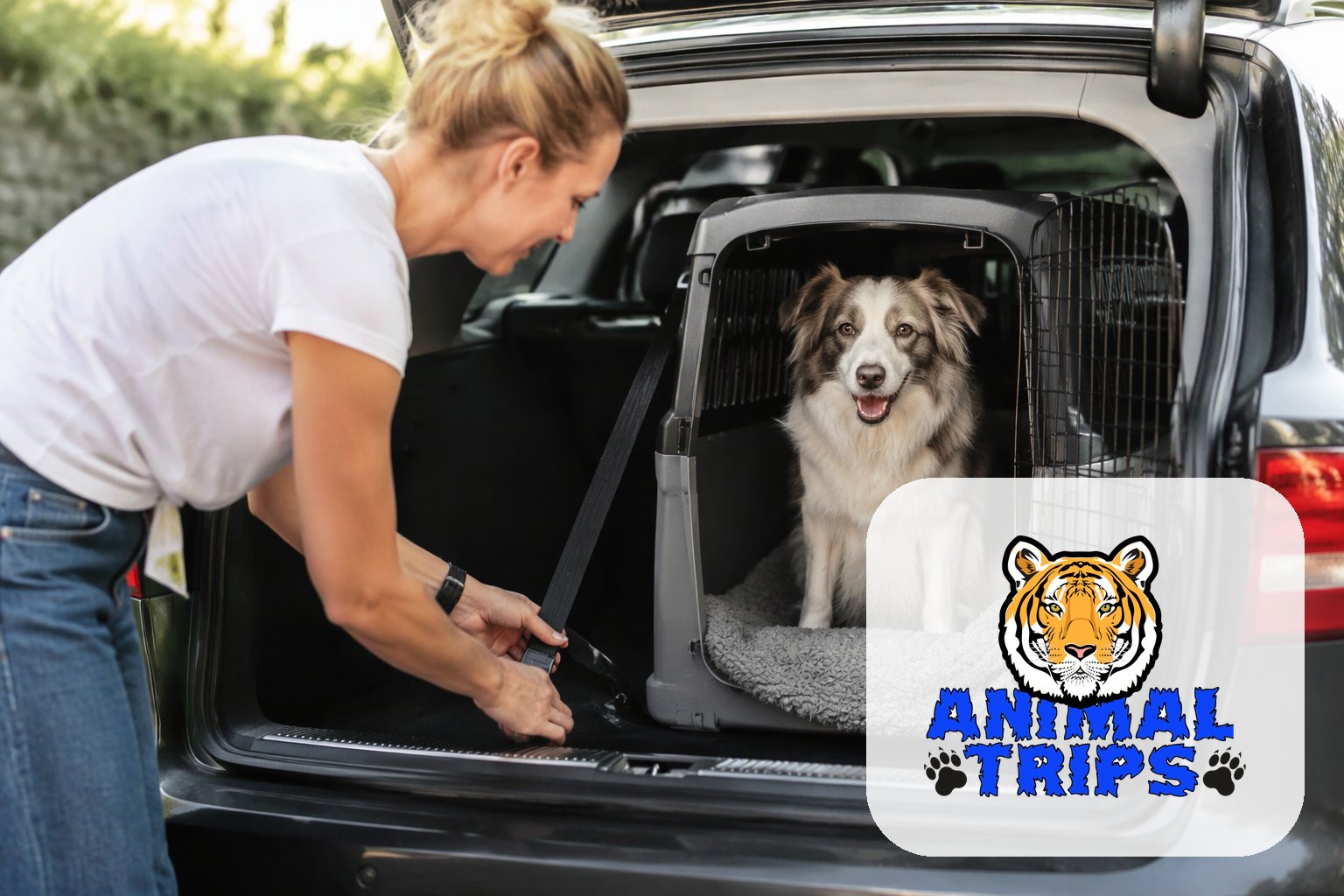
A 70 kg Great Dane, a Bernese Mountain Dog with its famous hips, a Caucasian Shepherd who has never been in a car — large and giant breeds are regular passengers on our routes, and they change the logistics completely. Here is how giant-breed transport works in 2026.
Space is the main currency
- The crate must let the dog stand fully upright, turn around and lie stretched out — for giant breeds this means XXL crates of 120+ cm, and not every vehicle fits them; ours do;
- Pricing follows crate volume, not just distance: a giant crate occupies the space of 2–3 standard ones — this is why large-dog quotes are higher, and it is honest arithmetic, not a markup;
- Some giants travel better without a crate at all: a secured compartment with a non-slip floor and a crash-tested harness is an option for crate-trained-reluctant dogs — discussed individually.
Joint protection on long routes
Large breeds carry their weight on their joints every hour of the trip:
- Orthopaedic mattresses line the crate — a thin pad over metal is not acceptable for a 60 kg dog on a 1,500 km route;
- Stops every 3 hours with real walks (15–20 minutes) — joints need movement, and giants stiffen faster than small dogs;
- Non-slip surfaces everywhere: the crate floor, the ramp, the vehicle entrance — a slipping giant can injure itself badly;
- Boarding via a ramp, never by lifting — for the dog's joints and everyone's backs.
The giant-breed owner checklist
- Exact measurements: height at withers, length nose to tail base, weight — we select the crate from these numbers, not from the breed name;
- Vet check for hips and heart before a long trip — giant breeds are prone to both hip dysplasia and cardiac issues;
- Food in labelled portions with the feeding schedule — giants bloat; we feed smaller portions and rest the dog an hour after each meal (bloat risk is real, and we plan for it);
- A note on temperament: a shy 70 kg dog and a reactive 70 kg dog need different handling plans — tell us honestly;
- Documents are the standard set: microchip, rabies vaccination, EU pet passport; check the banned breeds list for your destination.
Prices in 2026
Giant breeds are quoted by crate volume on the route's base price: typically +40–80% over the standard crate price depending on size. Warsaw–Berlin for a Great Dane in a group trip: from €450; Warsaw–London from €750. Send the measurements via the contact form — the exact quote arrives within 60 minutes.
Frequently asked questions
How much does it cost to transport a Great Dane?
Giant breeds are priced by crate volume: typically +40–80% over the standard rate. Warsaw–Berlin from €450 in a group trip, Warsaw–London from €750. Send the dog's measurements and we quote within 60 minutes.
What crate does a giant breed need?
The dog must stand fully upright, turn around and lie stretched out — for giants this means XXL crates of 120+ cm with an orthopaedic mattress and a non-slip floor. For some dogs a secured compartment with a crash-tested harness works better than a crate.
How do you protect a big dog's joints on a long trip?
Orthopaedic bedding, stops every 3 hours with real 15–20 minute walks, non-slip surfaces everywhere and ramp boarding — giants stiffen fast and a slipping 60 kg dog can injure itself badly, so the whole setup is built to prevent it.
Is bloat a risk during transport for large dogs?
Yes — gastric torsion is a known risk for deep-chested breeds. We feed smaller portions on the road and rest the dog for an hour after each meal before driving on. Tell us about any bloat history when booking.