
The first day after the move: helping your pet settle into a new home
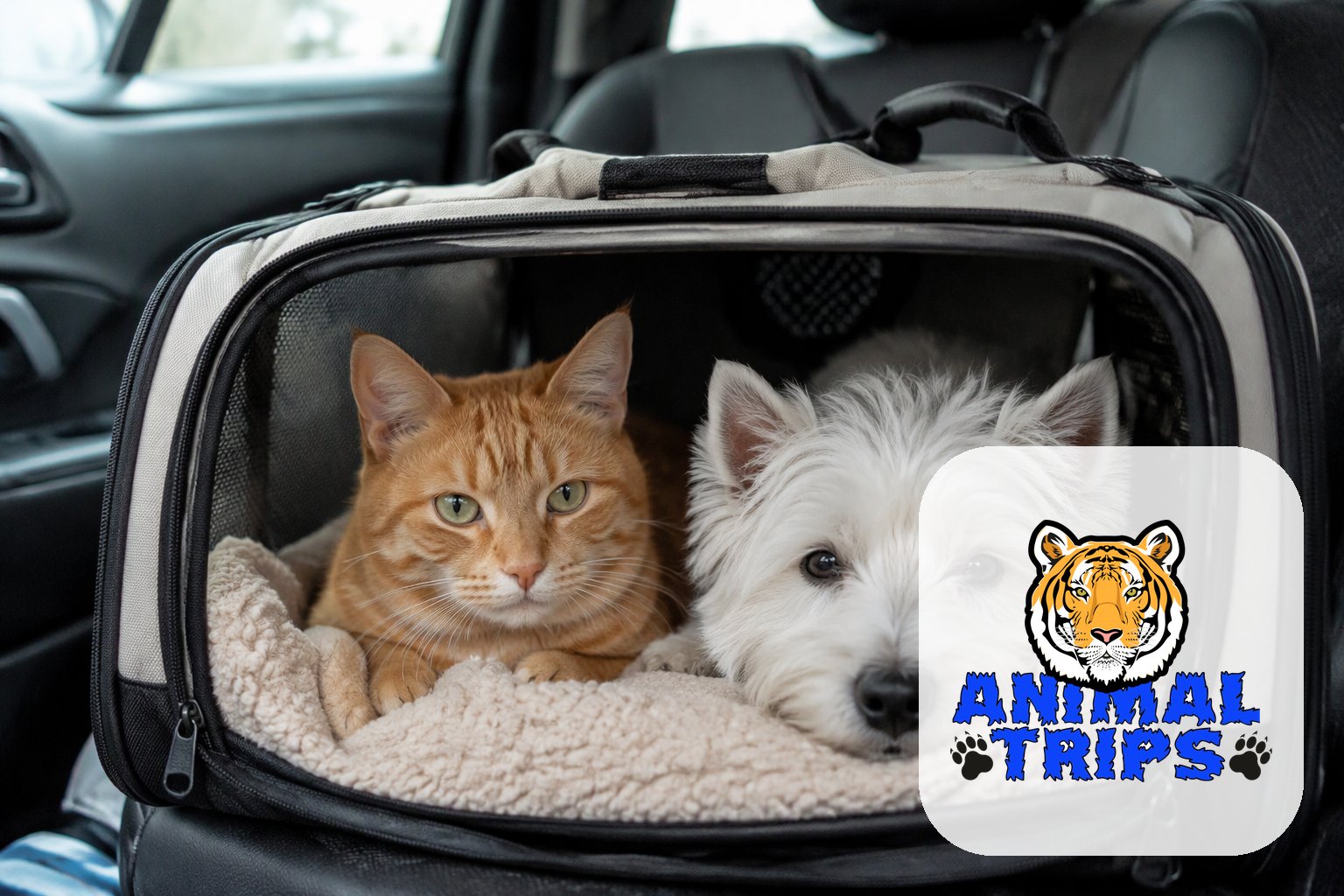
The delivery is done, the crate is inside, the door closes — and now the most underestimated part of the relocation begins. How the first 24–72 hours go determines how fast your pet accepts the new home as «theirs». After thousands of deliveries, here is what we see working every single time.
For cats: the quiet-room method
Do not give a cat the whole flat at once. Set up one room before the cat leaves the crate:
- litter box in one corner, water and food in another (never next to each other), the familiar blanket, a couple of hiding spots;
- open the crate inside this room and let the cat come out on its own schedule — 10 minutes or 3 hours, both are normal;
- keep the cat in this room for 1–3 days, visiting calmly and often; expand the territory only when the cat eats, uses the box and explores confidently;
- windows and balconies stay closed — a stressed cat can jump surprisingly creatively.
For dogs: routine from hour one
- First thing after arrival: a calm 15–20 minute walk on a leash around the immediate block — let the dog mark, sniff and start building its mental map;
- Feed at the usual time with the usual food — not a celebratory feast;
- Keep the first day low-key: no housewarming guests, no dog-park visits, no bath;
- Walks on leash for the first weeks even in «safe» areas — a dog does not know this neighbourhood yet and can bolt towards a phantom of the old one.
What is normal in the first days
- Reduced appetite for 1–2 days (as long as water intake is fine);
- Hiding (cats), shadowing you room to room (dogs), vocalising at night;
- Loose stool once or twice — the classic stress response;
- Sleeping much more than usual — the journey is tiring even in the best conditions.
Warning signs: when to call a vet
- No water intake for 24 hours, or no food for 48+ hours;
- Vomiting or diarrhoea beyond the first day, or with blood;
- Lethargy that deepens instead of lifting;
- Any breathing difficulty — immediately, especially in flat-faced breeds (see brachycephalic travel).
Find a vet near your new address before you need one, and register the chip in the local database within the first weeks — our relocation guides per country cover the specifics: the blog. Questions about the trip itself: contact form.
Frequently asked questions
Why is my cat hiding after the move?
Hiding is the normal feline response to a new territory. Keep the cat in one prepared quiet room with the litter box, water and familiar-smelling bedding for 1–3 days — most cats start exploring within the first day or two.
When should I worry about my pet not eating after the move?
A reduced appetite for 1–2 days is normal if the pet drinks water. Call a vet if there is no water intake for 24 hours, no food for 48+ hours, or vomiting and lethargy that deepen instead of lifting.
When can I let my dog off the leash in a new city?
Not in the first weeks — the dog does not know the area and can bolt towards a phantom of the old neighbourhood. Build recall in the new place gradually, starting with a long training leash in quiet areas.